





Drainage stack
The term ‘drainage stack’ or ‘drain stack’ is commonly used in the United States, and sometimes in commercial construction in the UK.
In very broad terms, it refers to a vertical pipe or stack that spans through one or more floors and into which drains from a property are connected to take waste water to a sewer. Branch drains run relatively horizontally from water closets, sinks, showers and so on to the vertical drainage stack which then connects to a relatively horizontal sewer at its lowest point. It may be referred to as a vent stack above the point that drains connect to it, as a drain stack below the point at which waste water drains into it and as a soil stack below the point at which sewage drains into it.
In the UK, particularly in domestic construction, it may be referred to as a soil vent pipe (SVP). Soil vent pipes allow the removal of waste from toilets, showers, baths, sinks and so on, while also allowing odours to be released above the building, via a stack vent, at a level that will not cause a nuisance. The pipe’s vent also allows air into the internal drainage system preventing a siphoning effect from occurring, and allowing free flow of waste water by gravity. An SVP may also be described as a soil stack pipe, drain waste vent or ventilated discharge pipe and is often seen on an outside wall of domestic buildings, but may be located internally.
For more information see: Soil vent pipe.
When installing drainage and ventilation pipework in high-rise buildings, traditional design standards dictate that a secondary ventilation stack has to be used to overcome air pressure changes. However, products such as the Polypipe Terrain P.A.P.A® and Pleura valves are a proven alternative to traditional secondary vented drainage systems. The P.A.P.A® (positive air pressure attenuation) valve is designed to react to and attenuate positive pressure transience within the drainage stack of high-rise developments providing a suitable venting solution for any multi-storey building.
For more information see: Secondary Ventilation Stacks in Tall Buildings.
[edit] Related articles on Designing Buildings Wiki
- Air admittance valve.
- Drainage.
- Fabricated drainage stacks.
- Greywater.
- Pumps and dewatering equipment.
- Rain gutter.
- Rainwater.
- Rainwater goods.
- Rainwater downpipe.
- Sanitary pipework.
- Secondary Ventilation Stacks in Tall Buildings.
- Sewer construction.
- Soil vent pipe.
- Soakaway.
- Sustainable urban drainage systems SUDS.
- Vacuum breaker.
- Wellpoint.
Featured articles
Check out some of the best features and news from Designing Buildings as well as key stories from around the web.

Gasholders: a history in pictures. Book review.
Recognition, influence and growth

SocEnv identifies three strategic pillars in new strategy to 2045.
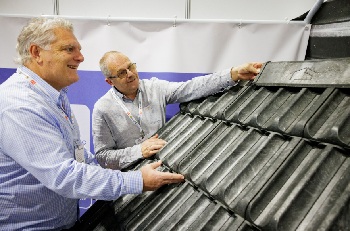
Discover the future of roofing, cladding and insulation.

New guidance for professional practice, cultural change and regulation in social housing.
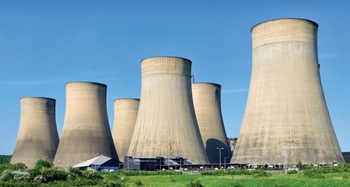
The heritage of nuclear and conventional power stations.
New measures to stop people being ripped off

Government to protect families from cowboy builders and aggressive bailiffs.

New Futurebuild showcase brings an innovation-first approach.
National Planning Policy Framework
Understanding the 2026 changes.
ECA's public affairs priorities

Member consultation opens to shape priorities for 2027 to 2030.

Dutyholder responsibilities from 1 July 2026.
Where performance meets practice

The Building Envelope Stage at UKCW Birmingham.

CIAT publishes briefing on planning reforms.